
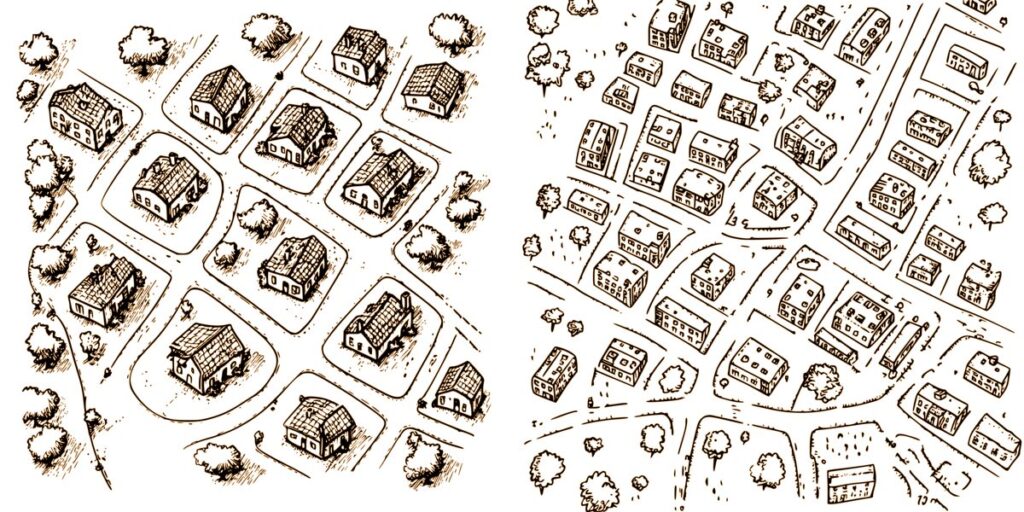
Nestled in the heart of Siloam Springs, Arkansas, the Tara Heights neighborhood stands as a testament to the enduring charm and close-knit community spirit that define our town. From its thoughtful beginnings to the vibrant locale it is today, Tara Heights weaves a story of growth, heritage, and the families who have called its tree-lined streets home. Whether you’re a longtime resident or a newcomer, the legacy of Tara Heights is worth exploring.
The Origins of Tara Heights
The story of Tara Heights began in the late 1960s, a period when Siloam Springs was transforming from a quiet small town into a thriving community. With the city’s downtown already established as the commercial and cultural hub, residential developers saw an opportunity to expand northward, where rolling hills and open fields offered the ideal canvas for a new neighborhood.
Tara Heights was conceived as a peaceful suburban enclave, balancing accessibility with tranquility. The neighborhood’s foundation was laid on land once dotted with walnut groves and wildflowers—a backdrop that would inspire its early designers to preserve as much greenery as possible. Development began in earnest in the early 1970s, with carefully planned streets—such as Tara Drive, Tara Lane, Magnolia Circle, and Crestwood Drive—forming the skeleton of the neighborhood.
How Tara Heights Got Its Name
The name “Tara Heights” has an interesting origin that has become part of local lore. The developers, inspired by classic Southern charm and the vision of an idyllic community, drew from “Tara,” the iconic plantation from Margaret Mitchell’s “Gone with the Wind.” The word “Heights” was added to reflect the neighborhood’s slightly elevated location, offering residents gentle hillsides, breezes, and views of Sager Creek and the wider Siloam landscape.
This naming choice set the tone for the neighborhood’s architecture and layout. Many early homes featured wide porches, broad lawns, and traditional Southern designs—a departure from the cookie-cutter developments elsewhere during that era.
Key Historical Milestones
Tara Heights quickly became a desirable address for Siloam Springs professionals, educators, and young families. By the late 1970s, most of the lots were sold and custom homes dotted the curving streets.
Some notable milestones in the neighborhood’s history include:
- 1977: Completion of Tara Heights Park, a community effort featuring walking trails, open play spaces, and bench-lined paths beneath mature oak trees. The park became a beloved gathering spot for summer picnics and Fourth of July celebrations.
- 1982: Establishment of the Tara Heights Neighborhood Association, aimed at fostering community spirit, organizing block parties, and spurring initiatives to maintain the neighborhood’s safety and beauty.
- 1991: Renovations updated sidewalks, lamp posts, and brought modern amenities while preserving the neighborhood’s original charm.
- Early 2000s: The first eco-friendly home remodels were completed, with solar panels and native landscaping paving the way for sustainable living in Tara Heights.
Notable Landmarks and Institutions
Although Tara Heights is primarily residential, it is defined by several landmarks that have become beloved to those who live here.
- Tara Heights Park: As the neighborhood’s beating heart, the park sits at the intersection of Tara Lane and Crestwood Drive. It’s where generations of children have played, and neighbors gather for movie nights under the stars.
- Sager Creek: Winding along the neighborhood’s eastern edge, Sager Creek offers a scenic walking and jogging path. The creek also serves as a spot for quiet reflection, birdwatching, and the annual “Creek Cleanup” led by neighborhood volunteers.
- Tara Heights Community Garden: Established in 2010 near the park, the garden plots are rented and maintained by residents, offering a bounty of tomatoes, sunflowers, and herbs each summer.
- Historic Homesteads: Several original houses from the early days of Tara Heights have been lovingly preserved and display plaques denoting their history. If you stroll along Magnolia Circle, you’ll notice restored homes with photo collages from the 1970s, celebrating family traditions that began here.
Evolution Through The Decades
Tara Heights isn’t exactly frozen in time. The neighborhood has seen its share of change, reflecting broader shifts in Siloam Springs and Northwest Arkansas at large.
The 1980s and 90s
These decades saw a baby boom, with elementary schools in the area such as Southside Elementary swelling with the children of Tara Heights. Nearly every home had a basketball hoop out front, and neighborhood Fourth of July parades featured homemade floats making their way along Tara Drive.
The 2000s
The early 21st century brought a new wave of residents and gentle modernization. The rise of remote work meant the neighborhood became even more inviting for professionals seeking homes with shaded yards and quiet streets. The popularity of community events—like the Tara Heights Fall Festival—soared, and the emphasis on sustainability grew with tree-planting drives and recycling programs.
Today
Today, Tara Heights remains a blend of tradition and fresh energy. Young families buy lovingly maintained homes from original owners, and retirees stroll the sidewalks with the same affinity for neighborly connection. New paint, creative landscaping, and updated play areas show the neighborhood’s ability to balance timeless character with contemporary comfort.
What Makes Tara Heights Special
Above all, it is the spirit of the people that makes Tara Heights extraordinary. This is a place where neighbors introduce themselves with a pie or a handshake, where yard sales are block-wide affairs, and family dogs are as well known as their owners.
Whether you’re admiring the historic architecture, walking Sager Creek at sunrise, or joining the laughter at the annual pancake breakfast in Tara Heights Park, you sense the continuous thread that binds past and present. Tara Heights isn’t just a place—it’s a shared story, written by each new resident who calls it home.